In this article (15 sections)
- What to do when a plumbing emergency hits
- How an emergency plumbing visit typically works
- Common plumbing emergencies at a glance
- Why “emergency” work demands a different operating system
- Understanding emergency plumbing costs
- Local factors that affect emergency work
- DIY safety checklist while help is en route
- Decision frameworks that save money long-term
- Water heater emergencies: repair or replace?
- Mainline clogs: why verification matters
- Slab leak realities—pinpoint, then choose the smartest path
- Service level table (emergency tiers)
- Insurance, HOA, and property management alignment
- Preventive moves after the crisis
- Emergency Plumbing FAQs
Short answer: A plumbing emergency is any problem causing active damage or a safety risk, such as an uncontrolled leak, sewage backing up, or a failed water heater. Shut off the water at the main, cut power near standing water, move valuables, take photos, and call a plumber. If you smell gas, leave the building and call SDG&E or 911 from outside.
What to do when a plumbing emergency hits
When water is actively escaping, drains are surging, or hot water drops to zero, you need a clear plan and a plumber who can find the real cause. This guide covers what counts as a true emergency in Spring Valley homes, how to limit damage while you wait, how an emergency visit typically unfolds, and answers to common questions. If water or sewage is actively causing damage, shut off the water and call us for emergency help at (619) 304-0144. You can also browse our full list of plumbing services.
What counts as a true plumbing emergency?
-
Uncontrolled leaks (active water release you can’t isolate).
-
Mainline blockages (multiple fixtures backing up, sewage at low points).
-
No hot water impacting families, tenants, or critical operations.
-
Gas or water heater alarms, rotten-egg odor, or pilot issues. If you smell gas, leave the building right away and call SDG&E or 911 from outside.
-
Slab leak indications (hot spots, constant meter spin, damp flooring).
If you’re unsure, default to safety: call and describe what you see, and we can help you judge how urgent it is and what to do next.
How an emergency plumbing visit typically works
-
Phone triage: We identify the likely problem, the right shutoff, and any immediate safety steps, so damage control starts before anyone arrives.
-
Scheduling: We confirm when a technician can come out and what to have ready (access, shutoff location, photos).
-
Stabilize first: Stop the water/gas, secure electrical exposure, and contain damage.
-
Pinpoint diagnostics: Pressure isolation, thermal/acoustic locating, camera scoping, or tracer methods—whatever gets a confident read fast.
-
Code-level fix: Present options (repair vs reroute vs replacement) aligned to budget, access realities, and downstream risk.
-
Verification + documentation: Pressure pass or camera footage, photos, and concise notes you can send to insurance, HOA, or property management.
Common plumbing emergencies at a glance
| Emergency Type | Urgency | Stabilize Action | Primary Tools | Verification |
|---|---|---|---|---|
| Mainline clog / sewage backup | Urgent (health risk) | Stop fixture use, isolate affected zones | Cleanout access, jetter/auger, camera | Post-clear camera with footage |
| Burst pipe / active leak | Urgent (active damage) | Main shutoff; power off near water | Pressure isolation, repair clamps, PEX/Copper kit | Pressure hold test |
| Water heater failure | High (check for gas safety) | Gas/water off; drain pan check | Combustion checks, thermostat/element, anode eval | Thermal recovery test |
| Slab leak suspected | High (hidden ongoing damage) | Water heater outlet isolation (hot vs cold) | Acoustic, thermal, tracer gas, reroute planning | Pressure pass after repair or reroute |
| Kitchen line recurring slow drain | Moderate | Stop disposals/dishwasher | Descale/jet combo, enzyme start | Flow test + sink base dry check |
How to use this matrix: If your situation appears in the first column, treat it as an emergency. Start the stabilize action right away; it limits damage no matter when help arrives.
Why “emergency” work demands a different operating system
Good emergency work is more than showing up quickly; it follows a method:
-
Surgical access: Open exactly where it matters; propose reroutes when they lower risk, cost, and downtime.
-
Evidence-based decisions: Don’t guess—verify with pressure holds or camera footage. That’s how repeat visits get eliminated.
-
Documentation mindset: Photos, meter videos, and scope recordings smooth insurance conversations and HOA coordination.
-
Tenant-first communication: Clear ETAs and updates reduce escalations and after-hours noise.
Understanding emergency plumbing costs
Emergency calls involve uncertainty, but you can still make an informed decision. Before work begins, ask for:
-
Any diagnostic or trip fee, explained up front.
-
A written estimate for the recommended repair (for example, mainline clearing with a camera check, angle stop replacement, or water heater repair versus replacement). You can also request an estimate online for non-urgent work.
-
Options framing: short-term patch vs durable reroute vs full code upgrade—each with risk/benefit and lifecycle cost.
Bottom line: a good emergency visit turns chaos into concrete options, in writing, with proof that the repair worked.
Local factors that affect emergency work
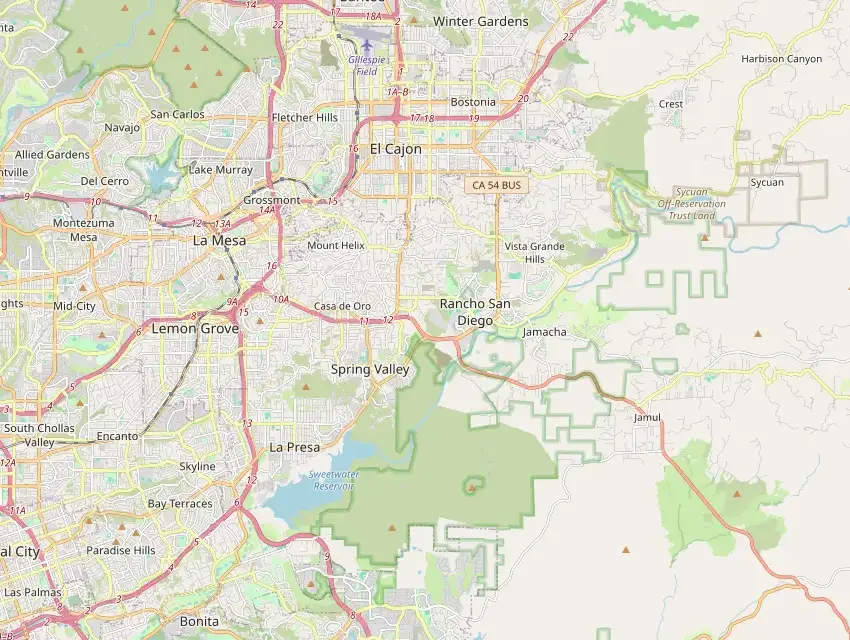
Emergency calls in Spring Valley and nearby communities such as La Mesa, El Cajon, and Bonita involve single-family homes, townhomes, multi-unit properties, and light commercial buildings. Factors that can affect timing or approach:
-
Hillside and private roads: Access gates and gradients can shift tool selection (e.g., compact jetters).
-
Older housing stock: Mixed materials (galv/copper/PEX) and legacy vents require adaptive tactics.
-
HOA rules: Pre-clear work windows or water shutoffs; documentation provided for common lines.
DIY safety checklist while help is en route
If you’ve already called a plumber, use these steps to minimize damage:
-
Shut water at the main (usually a gate or ball valve at the curb or perimeter wall).
-
Flip breakers to any area where water is contacting outlets or appliances.
-
Move valuables and ventilate—fans reduce secondary damage.
-
Capture evidence (photos/video) before cleanup.
-
Avoid chemical drain cleaners—they complicate jetting and can injure techs.
Decision frameworks that save money long-term
When an emergency call in Spring Valley reveals a larger, system-wide problem, the options usually fall into three tiers:
-
Patch: Fast and least expensive; valid for isolated failures with low recurrence risk.
-
Reroute: Bypass compromised sections (e.g., overhead hot line) to avoid slab demo and reduce future exposure.
-
Replace/rehab: Ideal for aged galvanized or root-damaged mains; pairs with camera proof and post-work footage.
Think in total cost of ownership: fewer openings, fewer re-visits, fewer surprises.
Water heater emergencies: repair or replace?
Losing hot water isn’t always a reason to replace the unit. A proper water heater evaluation looks at:
-
Age and tank integrity (look for rust lines/leaks).
-
Combustion/venting (for gas), element/thermostat (for electric).
-
Recovery needs (household size, peak usage).
If replacement makes more sense, the new unit should be sized to your household and installed to code, including a drain pan and expansion tank where required.
Mainline clogs: why verification matters
A cable can punch a hole through a blockage and give you a day of relief. Proper mainline service includes:
-
Camera after clearing to confirm full diameter and identify roots, bellies, or breaks.
-
Footage share so you can make repair decisions with eyes wide open.
-
Maintenance cadence (e.g., enzyme dosing, annual descale) matched to your usage profile.
Slab leak realities—pinpoint, then choose the smartest path
With a suspected slab leak, decisions should be based on data:
-
Hot vs cold isolation (heater outlet test).
-
Acoustic and thermal mapping to localize.
-
Tracer gas for quiet or complex runs.
Access (surgical open) vs reroute (overhead through walls/attic) is a cost-risk discussion you’ll make with real evidence.
Service level table (emergency tiers)
| Tier | Use Case | What You Get | Outcome Focus |
|---|---|---|---|
| Stabilize | Stop active release, make safe | Shutoff, cap/patch, electrical safety, moisture control tips | Damage containment first |
| Diagnose | Unclear cause, recurring failures | Pressure tests, camera scope, thermal/acoustic reads | Confident root cause with proof |
| Resolve | Known defect requiring access or reroute | Code-level repair, reroute, or replacement + verification | Fix that sticks, backed by documentation |
Insurance, HOA, and property management alignment
Emergency repairs often involve paperwork:
-
Photo sets (before/after, access openings, meter spins).
-
Video files (scope footage).
-
Concise narrative (problem, cause, fix, verification).
This accelerates claims, clarifies responsibility, and reduces pushback.
Preventive moves after the crisis
Once the immediate issue is resolved, consider:
-
Angle stop and supply line refresh (old braided or plastic lines fail silently).
-
Annual mainline camera if you’ve seen roots or bellies.
-
Enzyme maintenance on kitchens to break grease films.
-
Water pressure check (aim ~55–65 psi to protect fixtures and lines).
If you’re under water—literally or figuratively—call our team at (619) 304-0144 or contact us. We’ll walk you through shutoff and safety steps and set up a plan to find and fix the problem.
Emergency Plumbing FAQs
What happens when I call for emergency plumbing help?
We start by helping you shut off water or gas and make the area safe, then arrange a visit. Arrival time depends on the day, traffic, current workload, and access, so ask for an estimated window when you call.
What should I do while I wait for the plumber?
Shut off the nearest valve or the main, flip breakers if water is near outlets, move valuables, ventilate, and take photos for documentation.
Will you need to open walls or floors?
Only when targeted access is the verified best path. In many cases, reroutes avoid demolition and reduce future risk.
Do you provide camera footage after clearing a drain?
Yes—when scoping is performed, you get post-clear video so decisions are evidence-based.
Can you handle slab leaks during an emergency call?
Yes. Expect isolation tests, acoustic, thermal, and tracer methods, followed by a repair versus reroute recommendation with a pressure-pass verification.
Is hydro jetting safe for my pipes?
Yes—when pressure and nozzles match pipe material and diameter. Verification after jetting confirms clean, safe walls.
My water heater failed—does it always need to be replaced?
No. Age, tank integrity, combustion or electrical health, and recovery needs determine whether repair or replacement is the smarter move.
How is emergency plumbing priced?
Cost depends on the problem, access, parts, and time of day. Ask about any diagnostic fee up front and for a written estimate with options (patch, reroute, or replacement) and their pros and cons before work begins.
Can you help with insurance or HOA paperwork?
Yes. Photos, scope video, and a concise narrative are provided to streamline claims and approvals.
What documentation do I receive after the repair?
Pressure holds, camera footage, photos, and a plain-English summary you can forward to stakeholders.