In this article (17 sections)
- What “Trenchless” Really Means (and What It Doesn’t)
- Traditional Sewer Repair: Why It’s Still Used
- Quick Comparison: Trenchless vs. Dig-and-Replace
- How to Decide: Match the Method to the Problem
- What a Proper Diagnosis Looks Like (Before Any Quotes)
- Costs in Real Life: Why “Cheaper” Isn’t Always Cheaper
- Time, Noise, and Daily Life: The “Disruption Budget”
- Durability and Materials: How Long Will It Last?
- Spring Valley-Specific Considerations: Soil, Trees, and Older Pipe
- Example Scenarios: Choosing the Right Method
- Questions to Ask Any Contractor (So You Can Compare Apples to Apples)
- How Maintenance Impacts Either Choice
- Why Plumbing Methods Differ: A Quick Note on Systems
- Smart Takeaways for Homeowners Who Want the Least Regret
- Peace of Mind Starts Below the Surface
- Frequently Asked Questions
- Know What’s Underground Before You Commit to a Dig
Short answer: Trenchless sewer repair fixes or replaces the pipe through small access points using pipe lining or pipe bursting, so there is little digging. Traditional repair excavates a trench to replace the pipe. Trenchless suits cracks, roots and many collapses; digging is usually needed for sags, major offsets or rerouting.
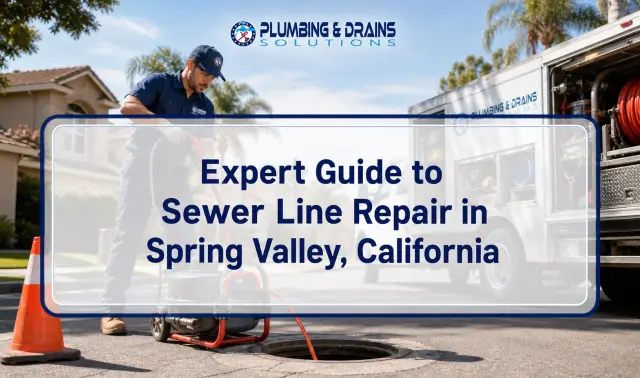
If you’re weighing trenchless sewer repair against traditional dig-and-replace methods for your Spring Valley home, the main difference is simple: trenchless fixes the pipe with little to no digging, while traditional repair usually means opening a long trench across your yard, driveway, or patio. For example, trenchless options like pipe lining can seal cracks and root intrusion from the inside, and pipe bursting can replace a collapsed section by pulling a new pipe through the old path. Traditional repairs, on the other hand, might require removing concrete, cutting through landscaping, and then paying for restoration afterward. The best choice depends on what’s wrong—like a small leak under a lawn versus a fully collapsed line under a driveway—and how much disruption you can tolerate.
What “Trenchless” Really Means (and What It Doesn’t)
When you compare trenchless sewer repair with open-trench replacement, it helps to start with a simple definition. Trenchless sewer repair is a set of methods that fix or replace an underground pipe using small access points (often existing cleanouts) instead of digging a continuous trench from the house to the street.
Trenchless typically includes:
- Pipe lining (CIPP): A resin-saturated liner is inserted and cured inside the old pipe, creating a “pipe within a pipe.”
- Pipe bursting: A bursting head breaks the old pipe outward while pulling a new pipe through the same route.
Trenchless does NOT mean:
- Zero digging every time (small pits are often needed for access)
- A cure for every sewer issue (some pipes are too deformed or misaligned for lining)
- Skipping diagnosis (you still need a camera evaluation to choose the right method)
Traditional Sewer Repair: Why It’s Still Used
Even as more homeowners consider trenchless options, “dig-and-replace” is still common because it’s straightforward and works for almost any failure type. If the pipe route needs to be re-graded, re-routed, or fully rebuilt, excavation may be the most practical path.
Traditional repair usually involves:
- Locating the damaged section
- Excavating a trench to expose the line
- Removing the failed pipe
- Installing a new pipe section (or entire run)
- Backfilling and compacting
- Restoring landscaping, hardscape, and/or concrete
Quick Comparison: Trenchless vs. Dig-and-Replace
The easiest way to compare the two approaches is to look at disruption, timeline, and total cost (including restoration).
| Factor | Trenchless repair (lining/bursting) | Traditional dig-and-replace |
|---|---|---|
| Yard/driveway disruption | Usually minimal (small access points) | Often significant (long trench) |
| Typical timeline | Often 1 day for many jobs | Often multiple days + restoration time |
| Best for | Cracks, root intrusion, leaks, some collapses | Severe offsets, major belly/sag, re-routing needs |
| Total cost considerations | Repair may cost more upfront, but less restoration | Repair may be lower per-foot, but restoration adds up |
How to Decide: Match the Method to the Problem
The biggest mistake people make when comparing sewer repair methods is assuming one method is “better” for every situation. The right answer depends on pipe material, damage type, access, and grade.
Trenchless pipe lining is usually a good fit when:
- You have root intrusion through joints or small cracks
- There are minor fractures but the pipe still holds shape
- You’re dealing with recurring blockages from rough pipe walls
- The line runs under concrete, pavers, patios, or landscaping you want to preserve
Pipe bursting is usually a good fit when:
- The pipe is collapsed or too compromised to line
- You want a full replacement without a full trench
- The route is acceptable, but the pipe material is failing (common with older lines)
Traditional excavation may be best when:
- The pipe has a belly (sag) that holds water—lining won’t fix poor slope
- There are major offsets where sections have separated
- The line needs to be re-routed around obstacles or code issues
- You have limited access for equipment or no workable entry/exit points
What a Proper Diagnosis Looks Like (Before Any Quotes)
To accurately compare trenchless pricing and outcomes with excavation, you need the same starting point: a clear diagnosis. That means confirming the exact location and type of failure—not guessing based on slow drains.
Most reliable assessments include:
- Camera inspection to see cracks, roots, offsets, corrosion, and bellies
- Locating to map the line path and depth
- Condition scoring (even informal) to determine if lining/bursting is feasible
In many homes, a fast way to move from “symptoms” to “solutions” is a Sewer Video Inspection, especially when backups repeat or the line is older.
Costs in Real Life: Why “Cheaper” Isn’t Always Cheaper
When homeowners compare trenchless and traditional repair, the sticker price can be misleading because excavation often has a second bill: restoration.
Trenchless costs typically include:
- Diagnostic inspection and locating
- Cleaning/prep (often hydro jetting or mechanical cleaning)
- Liner installation/cure or bursting and pullback
- Reinstatement of connections (for lining)
Traditional costs typically include:
- Excavation and shoring (as needed)
- Pipe and fittings
- Backfill and compaction
- Plus restoration (concrete, pavers, landscaping, irrigation, fencing, etc.)
Practical tip: If you’re comparing bids, ask each contractor to separate “plumbing work” from “restoration allowances.” It’s one of the fastest ways to fairly compare trenchless proposals with open-trench quotes.
Time, Noise, and Daily Life: The “Disruption Budget”
Most people don’t just choose based on dollars—they choose based on disruption. When you weigh trenchless methods against excavation, ask yourself how much chaos you can tolerate.
- Trenchless often means fewer days of equipment, less debris, and easier access to your driveway and walkways.
- Traditional excavation can mean restricted access, larger staging areas, and longer restoration timelines (especially if concrete needs cure time).
Durability and Materials: How Long Will It Last?
A fair way to compare the options is to look at the end product, not just the process.
- CIPP lining creates a smooth, jointless interior that can reduce snag points for debris and roots.
- Pipe bursting typically installs a new continuous pipe (often HDPE) with fused joints, which helps reduce leak points.
- Traditional replacement uses new pipe as well, but the number of joints depends on the material and run length.
Good to know: Many municipalities and engineering standards recognize cured-in-place lining as a proven rehabilitation method, widely used in public infrastructure—not only in residential settings.
Spring Valley-Specific Considerations: Soil, Trees, and Older Pipe
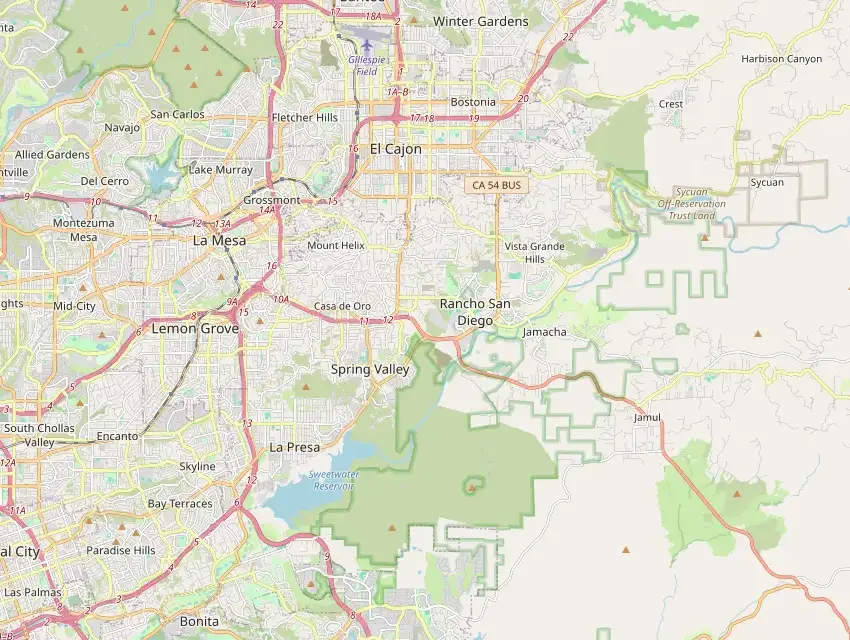
Local factors can change the answer for Spring Valley properties. In established neighborhoods, common issues include:
- Mature tree roots seeking moisture at pipe joints
- Older pipe materials that roughen or corrode internally
- Hardscape-heavy yards (driveways, patios, block walls) where excavation becomes expensive fast
If your home has aging cast iron, learning the warning signs and replacement pathways can help: cast iron replacement.
Example Scenarios: Choosing the Right Method
These simplified scenarios show how inspection findings drive the choice:
Case 1: Recurring clogs + roots under a landscaped yard
- Likely findings: Root intrusion at joints, minor cracking
- Often best fit: Pipe lining after thorough cleaning
- Why: Seals joints and avoids tearing up irrigation/plantings
Case 2: Collapsed clay line under a driveway
- Likely findings: Collapse or severe deformation
- Often best fit: Pipe bursting (or targeted excavation if access is limited)
- Why: Full replacement without a long trench through concrete
Case 3: Persistent backup + “belly” holding water
- Likely findings: Low spot causing standing water and sludge buildup
- Often best fit: Traditional excavation to correct slope
- Why: Lining won’t remove the sag; the grade must be fixed
Questions to Ask Any Contractor (So You Can Compare Apples to Apples)
To confidently compare trenchless bids with traditional bids, ask these questions and request clear, written answers:
- What did the camera show? (Ask for video/photos and a written summary.)
- Is there a belly or offset? (This can rule out lining.)
- How will you clean and prep the pipe? (Root cutting vs. jetting, etc.)
- What warranty is included, and what voids it?
- What restoration is included? (Concrete, pavers, landscaping, haul-away.)
- Will permits/inspections be required? (Varies by scope and location.)
How Maintenance Impacts Either Choice
Even the best repair can be shortened by poor maintenance habits. Grease, wipes, and recurring root growth can cause new problems upstream or downstream. If you’re trying to prevent repeat emergencies after choosing a repair method, consistent upkeep matters.
Good habits include:
- Keeping grease and food scraps out of drains
- Using toilet paper only (no “flushable” wipes)
- Addressing slow drains early instead of waiting for a backup
For a deeper look at prevention strategies, see drain maintenance.
Why Plumbing Methods Differ: A Quick Note on Systems
Not all homes are plumbed the same way, and not all pipe failures behave the same. If you want background on how residential systems tie together, it helps to understand the broader field of plumbing and how drains, vents, and sewer lines function as one system.
Smart Takeaways for Homeowners Who Want the Least Regret
Before you sign anything, here’s the most homeowner-friendly way to weigh trenchless options against traditional digging:
- Start with evidence: camera + locating, not guesswork.
- Choose the method that fixes the root cause: lining seals; bursting replaces; digging corrects route/grade.
- Compare total project cost: include restoration and access challenges.
- Plan for the future: ask about cleanouts, maintenance, and warranties.
Peace of Mind Starts Below the Surface
If you’re still deciding between trenchless repair and traditional excavation, the safest next step is a documented inspection and a scope of work that matches what the camera actually shows. The best outcomes come from contractors who use professional-grade diagnostic tools, follow applicable plumbing codes/standards, obtain permits when required, and provide clear warranty terms in writing.
When the evaluation is done correctly, the decision becomes much simpler: trenchless when the pipe’s shape and route are worth saving, and excavation when the line needs to be re-built for slope, alignment, or access. Either way, choosing based on verified conditions is how you avoid paying twice—and how you get a repair that lasts.
Frequently Asked Questions
Know What’s Underground Before You Commit to a Dig
Not sure whether trenchless sewer repair or a full dig-and-replace is the right move for your Spring Valley home? Get a camera-based diagnosis first, so you’re choosing the method that actually fits the problem—not the one that creates the biggest mess. Our team can inspect your line, explain what the footage means in plain English, and walk you through sewer repair options based on access, pipe condition and long-term durability. Call (619) 304-0144 to schedule an inspection.