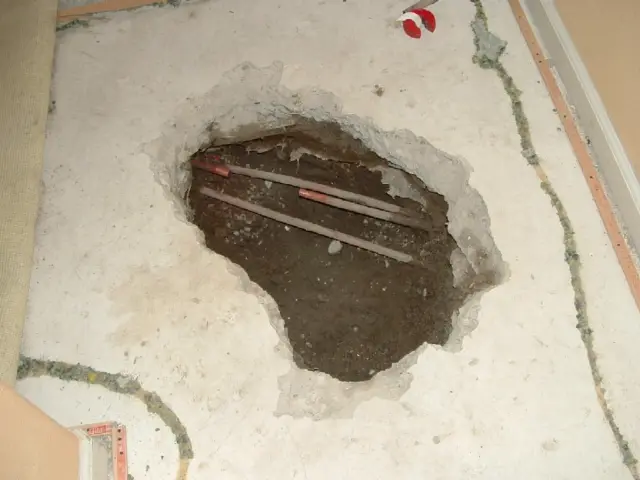
Short answer: After a slab leak, you can spot-repair the leak, reroute the line around the slab, or re-pipe the whole system. Spot repairs are cheapest but other weak spots may leak later. Rerouting bypasses the slab, and full re-piping replaces the old pipe and is the most permanent option.
If you or our team has identified a slab leak, you will need to weigh your options for fixing it. Be aware that once one slab leak appears, there is a real chance another will develop later, not at the repaired spot but somewhere else along the same aging line. Keeping this in mind, you may want to consider the fact that you may be facing re-piping your slab altogether.
If your pipes are prone to leaks, then a spot repair off a current leak is just a temporary fix, and if you want to ensure that you will not have future slab leaks, removing the pipes that are currently being used and replacing them with new, leak-free pipes is obviously the most permanent alternative.
If re-piping is not a viable option for you cost wise, then you may be able to take care of your issue by rerouting. When pipes are rerouted, the slab leak technicians reroute the pipe to bypass the slab altogether after pinpointing the precise location of the leak. While not as permanent as the re-piping (due to the fact that faulty parts of the pipe are still used) rerouting can be a more cost effective alternative.
Whether a spot repair, a reroute or full re-piping makes sense depends on the age and material of your pipes, how many leaks you have had, and where the lines run. If water has already soaked flooring or walls, water damage restoration may be needed alongside the plumbing repair.
Our team will walk you through what we find, how each option would address it, and what it will cost, with a written estimate before work begins.
Call us at (619) 304-0144 or request a plumbing service estimate for slab re-piping in Spring Valley or nearby La Mesa.