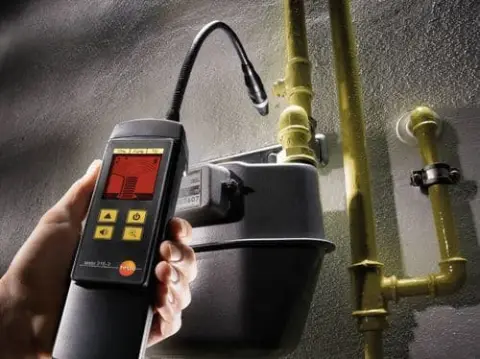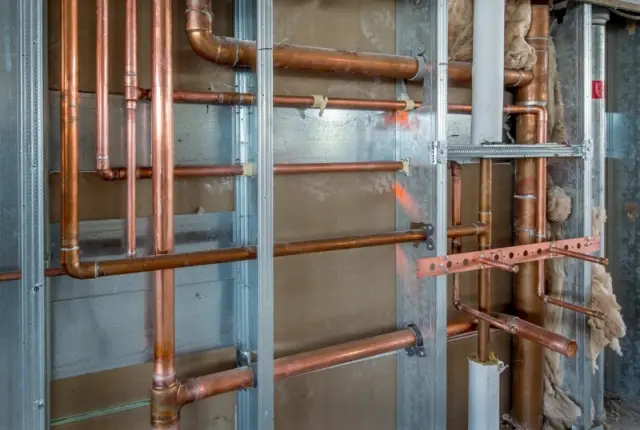
Short answer: Gas line re-piping replaces old, corroded, leaking or undersized gas pipe so appliances get a safe, steady supply. It is often needed in older homes, after repeated leaks, or when adding appliances. Common materials are polyethylene pipe underground and CSST above ground, installed with a permit and pressure test.
For safe, reliable performance of your gas appliances, it may be necessary to have your gas line re-piped. Re-piping replaces old, corroded or undersized gas pipe so appliances such as your water heater, range and furnace get a steady supply.
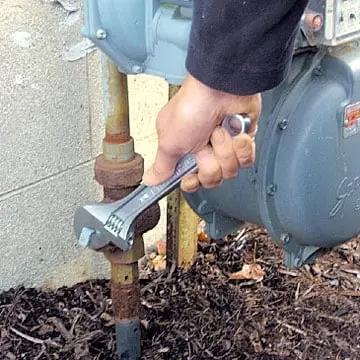
Signs it may be time to re-pipe include rusted or corroded steel pipe, repeated leaks at fittings, adding a gas appliance the existing line can’t supply, or a remodel that moves appliances. Our team handles gas line work alongside our other plumbing services.
Common modern materials include polyethylene (PE) pipe for underground gas lines and corrugated stainless steel tubing (CSST, including brands such as TracPipe) for above-ground runs. CSST generally must be bonded to the home’s electrical grounding as required by code and the manufacturer. The right material depends on the route, local code and your appliances.
Traditional threaded steel gas piping is still common and can often be repaired or extended where it is in good condition.
Gas line re-piping typically requires a permit and a pressure test before the system goes back into service. If it looks as if you are going to need gas line re-piping, we can look at your existing piping and explain your options.
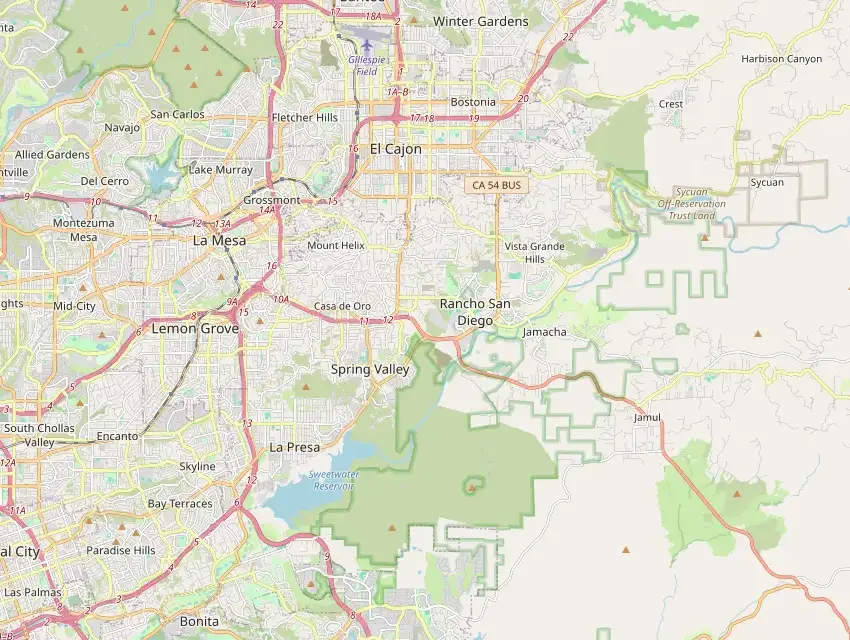
Call us at (619) 304-0144 or request a plumbing service estimate for gas line re-piping in Spring Valley, Bonita and nearby communities.