In this article (8 sections)
- Historic hot springs are booming again, but the plumbing challenges never left
- What the news is really telling us about water systems
- What a plumber sees when reading this: the hidden risks in “timeless” water
- How this connects to everyday home plumbing
- Why this matters for older and high-use homes
- Actionable takeaways if you want to avoid a shutdown-level plumbing problem
- Frequently Asked Questions
- Need help with drains, leaks, or plumbing reliability?
Short answer: Historic hot springs resorts deal with mineral-heavy water that scales pipes, clogs valves and wears out fixtures quickly. Homes with hard water see the same effects more slowly: reduced flow, failing faucet cartridges, noisy water heaters and slow drains. Routine drain maintenance, early leak repair and knowing where your shutoff is reduce the risk of a costly failure.
America’s oldest hot springs resorts are still drawing visitors—some to stone basins first built in the 1700s, others to bathhouses that survived fires, wars, floods, and years-long shutdowns. The recent spotlight on these historic soaking destinations also highlights a modern reality: behind every relaxing soak is a complex, high-demand plumbing system moving thousands (sometimes millions) of gallons of mineral-rich water every day.
For property owners, hospitality operators, and everyday homeowners, the takeaway is practical: mineral water, aging infrastructure, and heavy seasonal use can push drains, valves, supply lines, and water-heating components to their limits. That’s where proactive plumbing maintenance becomes the difference between a smooth season and a costly closure.
Historic hot springs are booming again, but the plumbing challenges never left
The WorldAtlas report reviews a list of the oldest hot springs resorts still operating in America—places that have been welcoming paying bathers since before the Civil War (and in a few cases, before the American Revolution). While the architecture and guest experience are often the headline, each location’s continued operation depends on dependable water delivery, drainage, filtration (where applicable), and safety controls.
From Virginia to Arkansas to Colorado and New Mexico, the story is consistent: these properties reopen again and again on the same springs, even after major damage. It’s a reminder that water systems can be resilient, but only if the plumbing and drainage are engineered and maintained to handle real-world stress.
What the news is really telling us about water systems
Who’s at the center of the story
The article highlights resort operators and public park managers across the U.S., along with notable historical figures tied to these waters, including Thomas Jefferson, who visited Virginia’s Warm Springs in 1818 and documented his experience, and George Washington, who wrote about visiting Berkeley Springs in his 1748 diary.
What happened at these resorts
Several of the nation’s oldest bathhouses and spring-fed pools continue operating despite major disruptions over the centuries. The report details restorations, ownership transitions, and modern operating rules—like timed reservations, quiet-soak policies, and gender-separated facilities—built around the constant: the spring water still flows.
Where it’s happening
Key locations include Bath County, Virginia; Berkeley Springs, West Virginia; Hot Springs, North Carolina; Hot Springs National Park, Arkansas; Glenwood Springs and Idaho Springs, Colorado; Ojo Caliente, New Mexico; Calistoga, California; Boulder, Montana; and Hot Springs, South Dakota.
When it matters most
This matters during peak travel seasons and after extreme weather events. One clear example: Hot Springs, North Carolina was heavily damaged by Hurricane Helene on September 27, 2024, with significant losses to mineral baths and lodging, followed by a phased reopening in 2025 and 2026.
Why this matters beyond tourism
Because spring-fed systems are hard on plumbing. Mineral-heavy water can accelerate scaling, clog lines, wear out valves, and corrode certain components faster than typical municipal water. When you add high bather volume, constant refilling, and temperature control, even small plumbing failures can snowball into shutdowns, refunds, water damage, and health-code issues.
What a plumber sees when reading this: the hidden risks in “timeless” water
To guests, hot springs feel natural and effortless. To anyone responsible for the building systems, they’re a high-flow, high-temperature, mineral-intensive plumbing environment. Even if you’re not running a resort, the same mechanics show up in everyday properties: scale buildup, drain slowdowns, water heater strain, pipe aging, and surprise leaks.
Some of the details in the story point directly to plumbing realities:
Mineral scaling is constant. Indian Springs in Calistoga notes mineral buildup can clog pipes so quickly they replace them every five to eight months. That’s an extreme case, but it mirrors what hard water does to residential fixtures over time—reduced flow, failing cartridges, noisy pipes, and premature appliance wear.
High flow rates punish weak points. Glenwood Hot Springs reportedly moves millions of gallons daily. While a typical home won’t see that volume, any scenario involving continuous use—multi-family properties, gyms, salons, or short-term rentals—creates similar stress on drains, shutoffs, mixing valves, and supply lines.
Old buildings mean legacy plumbing. Many of these bathhouses date to the 1800s or early 1900s. In older housing stock, plumbers commonly encounter outdated materials, partially updated systems, and undersized drains that struggle under modern usage patterns.
How this connects to everyday home plumbing
The same “keep it open” mindset that preserves historic hot springs applies to homes and businesses: prevent failures before they become emergencies.
These are the most common high-impact issues the hot-springs story brings to the surface:
Drain and sewer performance: High-use systems fail first at the drain, which is why routine drain cleaning matters. Recurring clogs, slow main lines, gurgling, odors, and backups often start as minor restrictions that worsen over time.
Leak prevention and pipe reliability: Aging pipes, corroded fittings, and failing shutoff valves can turn into sudden water damage, especially during seasonal usage spikes.
Water quality and scaling symptoms: Hard water scale can reduce fixture lifespan and impact water heaters, mixing valves, and faucets. Addressing scale-related symptoms early can prevent bigger repair bills later.
Emergency readiness: These resorts reopen because systems are repaired correctly. For homeowners and small businesses, knowing where the shutoffs are and having a plumber’s number ready is the difference between a quick fix and days of disruption.
Why this matters for older and high-use homes
Older homes, busy multi-family buildings, and heavy appliance use make the “historic water system” lesson surprisingly relevant. When drains are sluggish or sewer lines are compromised, the result isn’t just inconvenience; it can mean water damage, mold risk, and expensive restoration.
Treat recurring drain issues like a warning light. And if you’re planning upgrades, do it before a failure forces your hand at the worst possible time.
Actionable takeaways if you want to avoid a shutdown-level plumbing problem
- If multiple drains are slow at once, stop using water and schedule a professional drain/sewer evaluation—this can signal a developing main line issue.
- Don’t ignore recurring clogs. Repeated plunging and store-bought chemicals can worsen pipe conditions and delay the real fix.
- Watch for scale symptoms: reduced flow, frequent faucet cartridge failure, water heater noise, or inconsistent temperatures.
- Know your main shutoff location now—not during an emergency leak or winter burst scenario.
- For rentals or multi-unit buildings, set a preventative drain maintenance schedule before peak-occupancy seasons.
Frequently Asked Questions
Need help with drains, leaks, or plumbing reliability?
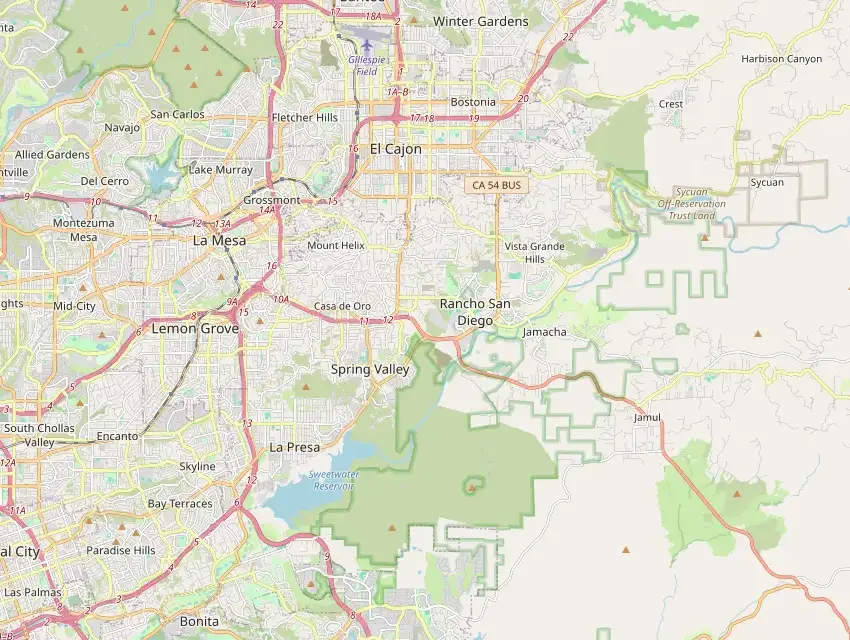
If this hot springs story proves anything, it’s that water systems only stay “timeless” with consistent maintenance and smart repairs. Our team serves Spring Valley, California and nearby San Diego County communities (not Spring Valley, New York). If you’re in our service area and dealing with slow drains, recurring clogs, or leaks, contact us to schedule an inspection or service appointment.
Credits: This article is a commentary-based rewrite for informational purposes, based on this source.