In this article (13 sections)
- Why Bathroom Remodel Plumbing Gets Complicated in Spring Valley
- Most Common Plumbing Problems Found During Bathroom Remodels
- Planning the Rough-In: What Specialists Check Before Walls Close
- How Pros Diagnose Problems Fast (and Avoid Guesswork)
- Typical Remodel Scenarios and What Plumbing Usually Changes
- Code, Permits, and Why “It Worked Before” Isn’t the Same as “It’s Right”
- Preventing Post-Remodel Problems: What to Do Before Final Tile and Paint
- When to Call Specialists Instead of “Finishing the Plumbing Yourself”
- Smart Remodel Upgrades That Add Real Value (Not Just Looks)
- Built to Last: What Sets the Right Pros Apart
- From Demo to Final Fixture: A Remodel Finish You Can Trust
- Frequently Asked Questions
- Don’t Tile Over Trouble—Get Your Remodel Plumbing Checked First
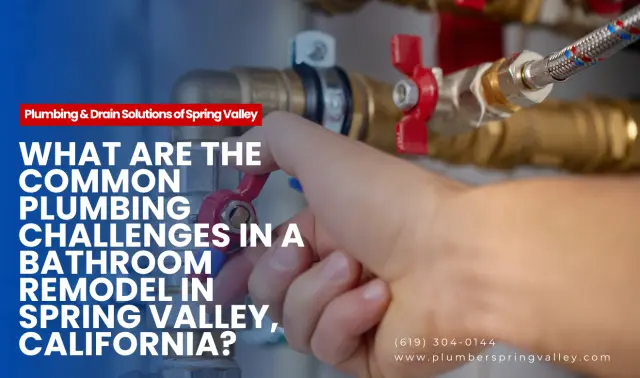
Short answer: The most common plumbing challenges in a bathroom remodel are hidden leaks found during demolition, outdated galvanized or cast iron pipes, poor venting that causes gurgling and odors, and drain or supply lines that do not match the new layout. Testing and correcting these before walls and tile close up prevents costly rework.
In a Spring Valley, California bathroom remodel, the most common plumbing challenges are hidden leaks, outdated or non-code piping, poor venting, and drain or water-line placement that doesn’t match your new layout—issues that are easiest to fix while the walls are open. For example, you might open a wall and find corroded galvanized pipes that need replacement, or discover a slow tub drain caused by an old, partially clogged line. If you’re moving a shower or adding a double vanity, rerouting supply lines and ensuring the drain has the right slope can be trickier than it looks. And if a toilet gurgles or a sink smells after the remodel, it can point to venting problems that need attention before closing up the walls.
Why Bathroom Remodel Plumbing Gets Complicated in Spring Valley
Even small layout changes can create big plumbing ripple effects—especially in older Spring Valley homes where pipes may be undersized, corroded, or patched over time. That’s why many remodels need a plumber involved early for accurate troubleshooting and code-compliant solutions.
When a remodel exposes “what’s behind the wall,” common discoveries include:
- Galvanized or aging copper lines with reduced flow
- Old cast iron or ABS transitions that leak or clog easily
- Improper venting that causes slow drains or sewer odors
- Previous DIY work that isn’t to code
- Drain placement that doesn’t match the new fixture plan
Most Common Plumbing Problems Found During Bathroom Remodels
1) Hidden leaks and water damage
Slow leaks often don’t show until demolition. You might see swollen baseboards, moldy drywall, or a soft subfloor near the shower or toilet flange. A plumber should verify the source with targeted testing before repairs begin, helping prevent “fix the wrong thing” delays.
Red flags during demo:
- Dark staining around the tub/shower valve wall
- Soft flooring near the toilet or vanity
- Musty odor inside cabinets or behind baseboards
- Rust or mineral streaks on framing
2) Outdated piping that doesn’t meet today’s expectations
Even if older piping technically still works, it may not deliver consistent pressure or may be near the end of its service life. Remodel time is often the most cost-effective moment to update lines because walls and floors are already open. Many remodels include selective pipe replacement—especially if you’re adding body sprays, rain heads, or a second sink.
Common materials found in older bathrooms:
- Galvanized steel: prone to internal corrosion and flow restriction
- Older cast iron drains: can scale, crack, or develop bellies
- Mixed-material transitions: higher leak risk if improperly connected
If your home has older drain materials, this is also a good time to review drain and sewer line repair options, such as cast iron replacement, so you don’t renovate the finishes while leaving failing drains behind them.
3) Poor venting (the cause of gurgling, odors, and slow drains)
Venting is one of the most misunderstood parts of bathroom plumbing. Your drains don’t work well without air movement, and incorrect venting can siphon trap seals—leading to sewer smells. This is a core reason to involve a plumber in the remodel: venting errors may not show up until weeks after the remodel.
Common vent-related symptoms:
- Toilet gurgles when the shower drains
- Sink drains slowly unless you remove the stopper
- Intermittent sewer odors (especially after hot showers)
- “Glug-glug” sounds from the tub or vanity
4) Drain and supply placement conflicts with the new design
Moving fixtures is where “simple remodel” turns into real plumbing work. A new vanity location might require rerouting hot/cold supplies, adjusting drain height, and ensuring the trap arm and vent connection remain compliant. A shower relocation may require a new P-trap location and correct slope back to the main line.
Before the walls close, a plumber should verify:
- Drain slope (too flat causes buildup; too steep can leave solids behind)
- Trap placement and access
- Toilet flange height relative to finished floor
- Shower valve depth for the final wall finish (tile thickness matters)
Planning the Rough-In: What Specialists Check Before Walls Close
Rough-in is the “make it right before you can see it” phase. A careful plumber focuses on function, durability, and inspection readiness before the tile goes up.
Key rough-in checkpoints
- Fixture sizing: matching pipe sizes to expected flow and demand
- Shower valve positioning: correct depth and stable mounting
- Water pressure: verifying the home isn’t over-pressurized (which can shorten fixture life)
- Shutoffs: accessible stops for vanity/toilet and smart whole-home shutoff planning
- Drain performance: ensuring the line is clean and correctly routed
If your remodel includes pressure problems (like harsh, noisy flow or frequent fixture failures), it may be time to evaluate Water Pressure Regulators as part of the scope—especially in homes where pressure fluctuates or runs high.
How Pros Diagnose Problems Fast (and Avoid Guesswork)
Speed matters during a remodel because every delay can stall tile, drywall, and paint. Experienced remodel plumbers often use a combination of visual inspection and targeted tools to confirm the true issue before cutting more openings.
Common diagnostic methods
- Pressure testing supply lines: helps pinpoint slow leaks
- Dye testing: useful for confirming toilet wax ring or flange leaks
- Moisture meters: locate hidden dampness behind finishes
- Drain evaluation: if a line is slow, they may recommend cleaning or further inspection
When drain issues are recurring or the home is older, a plumber may also recommend professional drain cleaning before the new fixtures go in—because a brand-new bathroom won’t feel “new” if it still drains like the old one.
Typical Remodel Scenarios and What Plumbing Usually Changes
Below is a practical view of remodel choices that commonly trigger plumbing modifications. This is exactly where an experienced plumber can save time by anticipating secondary impacts (venting, access, and inspection requirements).
| Remodel change | What plumbing work is typically needed | Common risk if done incorrectly |
|---|---|---|
| Move shower/tub location | New drain route, trap location, slope verification, supply reroute | Slow draining, odors, leaks under slab/subfloor |
| Upgrade to rain head + handheld | Valve upgrade, possible pipe upsizing, pressure balancing | Weak flow, temperature swings, noisy pipes |
| Add double vanity | Reconfigure drain/vent and supplies; sometimes add/relocate venting | Gurgling, slow drains, trap siphoning |
| Replace toilet or change floor height | Reset flange height, confirm shutoff placement and supply line | Rocking toilet, wax ring leaks, sewer gas |
Code, Permits, and Why “It Worked Before” Isn’t the Same as “It’s Right”
Many homeowners assume remodel plumbing can reuse whatever is there as long as it isn’t actively leaking. But remodels often trigger requirements to meet current standards—especially when you relocate fixtures or open walls. Remodel plumbing typically needs to account for:
- Correct trap and vent configurations
- Approved materials and transition fittings
- Proper cleanout access where required
- Safe water temperature delivery and anti-scald protection (often via modern shower valves)
For a deeper general overview of what plumbing systems include and how they function, see plumbing.
Preventing Post-Remodel Problems: What to Do Before Final Tile and Paint
The best time to prevent leaks is before the finish work goes in. Plumbers often recommend a short “verification list” right before closing walls.
Pre-close checklist
- Run each fixture (hot and cold) and check every joint for weeping
- Fill and drain tub/shower while inspecting the drain connection
- Flush the toilet repeatedly and confirm no movement at the base
- Confirm shutoffs are accessible and labeled (if multiple bathrooms)
- Check for stable pressure and no banging pipes (water hammer)
If you suspect buildup in existing drain lines—common in older homes—this is also a good time for targeted drain cleaning and a drain maintenance plan so the new bathroom drains like it should from day one.
When to Call Specialists Instead of “Finishing the Plumbing Yourself”
DIY can be great for paint and hardware, but plumbing behind tile is high-stakes. Consider bringing in a licensed plumber if:
- You’re moving any fixture (toilet, shower, tub, vanity)
- You see galvanized, corroded, or mixed-material piping
- Your toilet gurgles or you notice sewer odors
- You have slow drains that predate the remodel
- Your remodel includes specialty fixtures (multiple shower outlets, wall-mount faucets)
Smart Remodel Upgrades That Add Real Value (Not Just Looks)
Beyond new tile and lighting, plumbing upgrades can improve comfort and reduce maintenance. A good plumber may suggest upgrades that quietly pay off over time:
- Modern shower valves: better temperature stability and anti-scald safety
- Quarter-turn shutoffs: easier emergency control and fixture servicing
- Drain reliability improvements: fewer clogs and better flow
- Pressure control: protects fixtures, hoses, and appliances from excess PSI
Built to Last: What Sets the Right Pros Apart
A bathroom remodel should feel better every day—not introduce new issues. The right remodel plumbers tend to share a few professional habits:
- They verify layout feasibility before rough-in begins
- They test lines (not just “tighten and hope”)
- They plan for access (cleanouts, shutoffs, serviceability)
- They work to current code expectations and pass inspections
- They document changes so future repairs are straightforward
Most importantly, experienced plumbers understand that remodel plumbing is a system: supply, drainage, venting, pressure, and fixture performance all interact. Getting one piece wrong can affect everything else.
From Demo to Final Fixture: A Remodel Finish You Can Trust
If your remodel is revealing old leaks, questionable piping, or drain/vent problems, getting help early can prevent expensive rework later. Bringing in a plumber early helps ensure your new layout drains correctly, vents properly, and delivers strong, consistent water flow—before the walls close and the tile is set.
Whether you’re upgrading a shower, changing vanity placement, or modernizing aging lines, remodel plumbing is ultimately about one goal: a bathroom that looks great and works reliably for years.
Look for licensed, insured plumbing professionals with local remodel experience, a clear testing process, and the ability to coordinate rough-in and trim-out work to inspection standards—because the best remodel is the one you don’t have to “fix later.”
Frequently Asked Questions
Don’t Tile Over Trouble—Get Your Remodel Plumbing Checked First
Bathroom remodel plumbing problems in Spring Valley usually don’t show up until the walls are open—hidden leaks, outdated piping, venting issues, and drain placements that don’t match the new layout. Before your project turns into expensive rework, let our team troubleshoot and rough-in your remodel the right way—so your new shower, vanity, and toilet drain cleanly, vent properly, and work as they should from day one. Call (619) 304-0144 to talk through your project.