
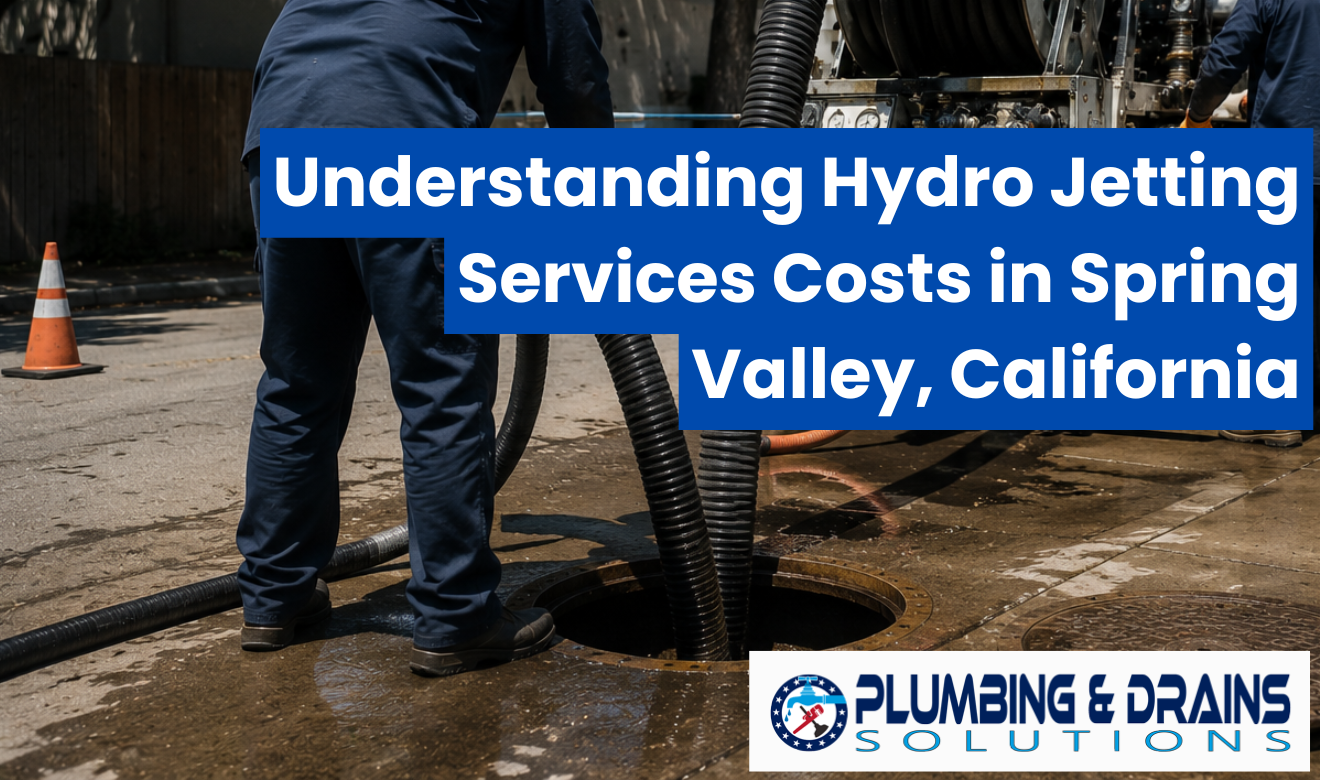
Executive Summary
Hydro jetting services in Spring Valley cost is primarily determined by measurable, on-site factors—pipe diameter, total footage, blockage type, and cleanout accessibility—with pricing rising as job time and setup complexity increase. The most reliable way to control cost and avoid repeat service is an inspection-led approach (often with a camera) that confirms the clog, selects safe jetting settings for the pipe material, and verifies results after cleaning.
Core Insights
- Time-on-Site Drives the Total: Your final hydro jetting price most closely tracks labor time, which increases with longer runs, multiple turns, difficult access, and repeated cleaning passes needed for grease, sludge, scale, or roots.
- Inspection Prevents Paying for the Wrong Scope: A camera inspection helps confirm the clog type, distance, and pipe condition so the contractor can choose snaking vs. jetting appropriately and avoid trial-and-error charges.
- Cleaning Isn’t a Repair: Jetting can restore flow, but if the line has bellies, separations, or collapses, recurring backups are likely until a targeted drain repair resolves the underlying structural defect.
Hydro jetting costs in Spring Valley, California are the total price to clear drain and sewer lines using high-pressure water, based on access, blockage severity, and pipe conditions. Homeowners researching hydro jetting services in Spring Valley cost usually see pricing shaped by line diameter, total footage, and whether the cleanout is reachable at ground level. A 2-inch kitchen branch line with heavy grease near a slab cleanout typically takes less time than a 4-inch main sewer line with roots at 60–100 feet from the cleanout. A technician often performs a camera inspection first to confirm the clog type, locate offsets, and measure distance, because jetting settings differ for soft grease, compacted sludge, sand, or fibrous root intrusion. Example factors in Spring Valley include older clay or Orangeburg sections that can require lower pressure and slower passes, and hillside properties where long runs and multiple turns increase setup time. After jetting, a re-camera verification may be used to confirm the pipe walls are clear and the line is flowing normally.
What Hydro Jetting Includes (and What You’re Actually Paying For)
Hydro jetting is a controlled cleaning method that uses a high-pressure water stream and specialty nozzles to scour the inside of a drain or sewer pipe. The total price reflects equipment setup, technician time, access conditions, and verification that the line is restored to full flow.
A professional jetting appointment in Spring Valley is typically built from these billable components:
- Site setup and protection (hoses, machine placement, splash containment, safe routing of discharge).
- Access work (locating and opening an existing cleanout; removing a toilet if needed to reach a flange; clearing vegetation at an exterior cleanout).
- Line evaluation using a Sewer Video Inspection to confirm pipe material, diameter, blockage type, and distance to the obstruction.
- Jetting passes (multiple forward and backward passes may be required for grease, sludge, scale, or roots).
- Post-clean verification (a re-camera can confirm the pipe wall is clean and identify structural defects that cleaning can’t solve).
Because hydro jetting is a cleaning process—not a repair—your final invoice is most sensitive to time on site and how difficult it is to safely reach and clear the entire affected run.
Pricing Drivers in Spring Valley: The Variables That Change the Final Total
The most consistent cost drivers are pipe diameter, length of the run, severity/type of blockage, and accessibility of a functional cleanout. These are measurable factors a technician can confirm during an inspection rather than guesswork.
When homeowners compare hydro jetting services in Spring Valley cost, the estimate usually changes based on:
- Pipe diameter
- 2-inch branches (kitchen, laundry) generally require smaller nozzles and less setup than a 4-inch building sewer.
- Larger diameter lines can require higher flow volume, different nozzles, and longer run times to fully clean the circumference.
- Total footage to the blockage
- Distance affects hose deployment, pressure loss management, and the number of cleaning passes required.
- Longer lines also raise the likelihood of multiple problem spots, not just one clog.
- Blockage material
- Grease and soap sludge often require slower, repeated passes to emulsify and peel buildup from the walls.
- Roots usually require a root-cutting jet nozzle and multiple passes, then follow-up maintenance to delay regrowth.
- Sand/silt (common in compromised sections) may indicate a structural issue—cleaning may restore flow but not fix the cause.
- Access and cleanout condition
- A ground-level cleanout near the building is faster than a buried cleanout, a roof vent access, or pulling a toilet to reach the line.
- If the cleanout cap is damaged, seized, or missing, additional work may be needed to safely access the pipe.
- Pipe material and vulnerability
- Older clay and Orangeburg lines can be more sensitive to aggressive jetting; responsible contractors reduce pressure and use controlled passes.
- Cast iron may have scale and corrosion; jetting can remove buildup, but the pipe may still have thin walls or offsets that warrant repair planning.
- Property layout
- Hillside lots, long lateral runs to the street, and multiple turns increase setup time and cleaning complexity.
- Limited parking, gated access, and tight side yards can slow equipment placement and hose routing.
Hydro Jetting vs. Snaking: When Each Method Is Appropriate
Jetting is designed to clean pipe walls and restore full internal diameter, while a drain snake is primarily for punching through a localized blockage. Choosing the correct method affects both results and cost efficiency.
In practical terms:
- Snaking (cable auger) is typically best for:
- Single-point obstructions like hair clogs, wipes, or a small jam near a fixture trap arm.
- Situations where the goal is to restore flow quickly, not necessarily remove wall buildup.
- Hydro jetting is typically best for:
- Recurring kitchen line blockages caused by grease and emulsified fats.
- Main sewer lines with sludge, biofilm, or root intrusion where a “hole” through the clog is not a durable fix.
- Pre-maintenance cleaning to reduce backups, especially before heavy rainy periods.
If you’re already booking Drain Cleaning, a camera-based assessment helps determine whether snaking is enough or if jetting is the more cost-effective long-term option.
Local Procedure: What a Professional Visit Should Look Like
A professional hydro jetting service follows a predictable sequence: inspect, confirm access, jet safely, and verify results. This workflow limits property damage, reduces repeat clogs, and documents pipe condition for next steps.
A thorough on-site process usually includes:
- Confirm the symptom and affected fixtures
- Main line backup vs. one fixture draining slowly changes the scope immediately.
- Locate and evaluate an accessible cleanout
- Technicians should use an approved access point; forcing jetting through improper openings increases risk.
- Perform camera inspection when conditions allow
- Identifies the clog type, depth, offsets, intrusions, and whether jetting is safe for the line.
- Select nozzle and pressure strategy
- Grease, sludge, roots, and scale each require different nozzle patterns and pass counts.
- Hydro jet with controlled passes
- Progressively cleans the pipe wall, flushes debris downstream, and re-establishes full flow.
- Re-camera verification (recommended)
- Confirms cleaning results and documents defects like cracks, bellies, or separations that will continue to cause problems.
Because plumbing work is governed by enforceable standards, reputable contractors operate within California Plumbing Code requirements for safe drainage systems and approved methods—core concepts commonly summarized under plumbing practice and regulation.
Key Metrics That Affect Job Time and Equipment Choices
Hydro jetting outcomes depend on measurable pipe and blockage characteristics. Documenting these metrics helps explain why one job takes 45 minutes and another takes half a day.
| Feature / Metric | Specifications | Local Guidelines |
|---|---|---|
| Line diameter | Common residential branches are 1.5–2 inch; building sewers commonly 3–4 inch. | Nozzle selection and cleaning time scale with diameter; larger lines often require more passes to fully scour walls. |
| Distance to clog | Measured in feet from the cleanout to the blockage via camera counter. | Longer runs increase setup and pass time; hillside lots and deep laterals can extend service duration. |
| Blockage type | Grease, sludge/biofilm, roots, scale, or silt. | Root intrusion typically needs root-cutting jetting and follow-up maintenance planning; grease requires slow scouring passes. |
| Pipe material | PVC/ABS, cast iron, clay, Orangeburg (older). | Older or compromised materials require conservative pressure and careful camera confirmation before aggressive cleaning. |
| Cleanout accessibility | Ground-level exterior cleanout vs. roof vent vs. fixture removal access. | Easy exterior access reduces labor time; limited access increases setup complexity and may require additional work to reach the line safely. |
| Verification method | Post-jet camera sweep and flow test. | Re-camera is the most reliable way to confirm wall cleaning and identify structural defects that cleaning cannot fix. |
When Hydro Jetting Is Not the Right “Fix” (and What to Do Instead)
Jetting removes obstructions and buildup but does not repair broken, collapsed, or misaligned pipe. If a camera reveals structural failure, paying for repeated cleanings becomes inefficient compared to targeted repair.
Hydro jetting is usually a temporary improvement—not a cure—when any of the following are present:
- Separated joints allowing soil intrusion (silt returns soon after cleaning).
- Bellies (sags) holding standing water and solids (line re-blocks even after a “successful” jet).
- Crushed or collapsed sections where flow is mechanically restricted.
- Advanced corrosion in older metal pipe where wall thickness is compromised.
In these cases, a repair plan may be more cost-effective than repeated cleaning. For property owners managing older systems, it’s also useful to review localized guidance on drain repair to understand when replacement or section repair is the appropriate next step after jetting restores temporary flow.
Ways to Control Cost Without Cutting Corners
You can reduce hydro jetting expense by improving access, choosing preventative intervals, and confirming the right scope of work. The goal is to reduce labor time while still getting documented, verifiable results.
Cost-control strategies that do not reduce service quality:
- Locate and expose cleanouts ahead of time
- Clear debris, unlock gates, and provide a clear path to the exterior cleanout.
- Provide symptom history
- Share which fixtures back up, when it happens (laundry day vs. rain), and whether multiple drains are affected.
- Use camera inspection to prevent repeat visits
- A confirmed diagnosis avoids paying for the wrong method (snake vs. jet) and reduces “trial-and-error” labor.
- Schedule maintenance before a full backup
- Emergency calls often include added logistics and longer on-site troubleshooting because the line may be fully blocked.
- Address upstream behavior issues
- Grease disposal habits, inadequate strainers, and wiping practices directly affect how soon the line loads up again.
What “Good” Results Look Like After Jetting
A successful jetting restores full flow and removes wall buildup, not just a small channel through the obstruction. Verification should show a consistently clean pipe interior and normal drainage behavior across fixtures.
After service, you should expect:
- Improved drainage across multiple fixtures (especially if it was a main line issue).
- Reduced odor where biofilm was contributing to sewer gas smell at drains.
- Camera confirmation showing:
- Pipe walls largely free of grease sheets and sludge rings.
- Root intrusions reduced/cleared to the extent possible without pipe repair.
- Identification of defects (offsets, cracks, bellies) if present, with location information.
If results are short-lived, the most common cause is an underlying structural defect or a recurring source input (grease, wipes, scale) that needs a maintenance schedule rather than one-time cleaning.
Clear Takeaways for Spring Valley Homeowners
Hydro jetting cost is driven by measurable conditions: access, distance, pipe size/material, and the type of blockage confirmed by inspection. The most reliable way to prevent overpaying is to match the cleaning method to the actual pipe condition and verify results with a camera.
To make an informed decision when booking service:
- Request an access plan (which cleanout will be used and why).
- Use camera inspection to confirm clog type, distance, and any structural defects before aggressive cleaning.
- Expect pricing to increase with longer runs, main sewer diameters, root intrusions, and difficult access conditions.
- Use post-jet verification to document that the pipe is actually clean and flowing—then plan maintenance if roots or grease are recurring.
When performed with inspection-driven settings and proper verification, hydro jetting is one of the most effective ways to restore drain and sewer capacity and reduce repeat backups in Spring Valley homes.
Frequently Asked Questions
Stop the Backup Before It Becomes a Bigger, More Expensive Problem
When your drains are slow, gurgling, or backing up, it’s rarely “just a clog.” It’s pressure, pipe condition, and access—and if you guess wrong, you can turn a cleanout into a flood, push debris deeper into the line, or miss the real issue (like roots, offsets, or a belly) that guarantees the problem comes right back.
DIY “fixes” and bargain cleanings often create the worst kind of expense: repeat service calls, emergency after-hours damage control, and preventable repairs. Over-the-counter chemicals can weaken older pipe materials, and improper jetting or snaking can leave heavy buildup behind, punch a temporary hole through sludge, or trigger a messy overflow when the blockage shifts.
What you want instead is a technician who verifies what’s actually in your line, uses the right jetting strategy for your pipe material and blockage type, and confirms the result so you’re not paying twice. That’s how you protect your home, avoid surprise breakdowns, and get a clear plan if the camera shows a structural defect that cleaning can’t solve.
If you’re in Spring Valley and want the job done safely, thoroughly, and with real proof the line is restored, book a hydro jetting evaluation with a local pro who has the equipment and the experience to handle it right the first time.


