
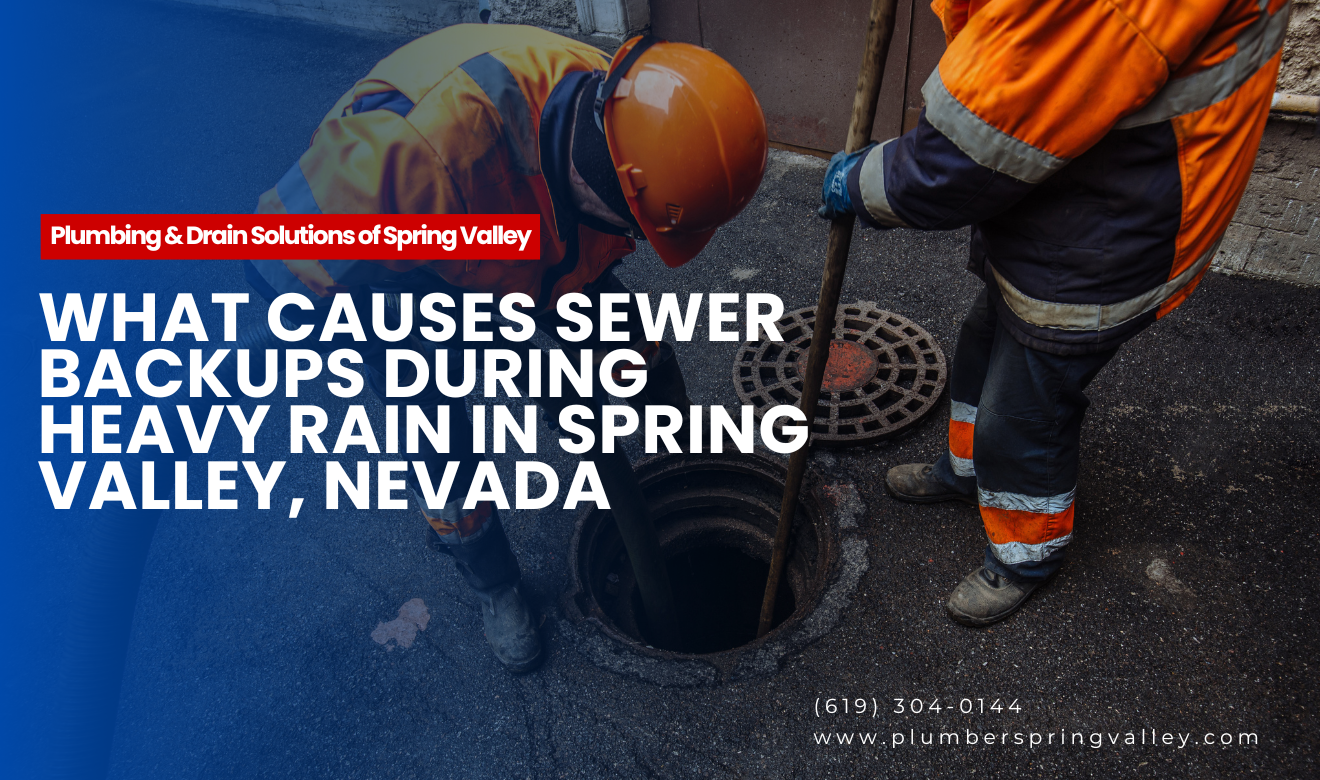
If you’re wondering, “why does my sewer back up after rain in Spring Valley?”—the answer often lies in overwhelmed or blocked sewer systems. During heavy rainfall, the local sewer infrastructure can become inundated with water. This excess water has to go somewhere, and unfortunately, it can sometimes force its way back into your home’s plumbing. For example, if tree roots have invaded your sewer lines or if there’s a clog from grease buildup, it prevents proper drainage, backing water into your basement or drains. In some areas of Spring Valley, older systems combine stormwater and sewage into the same pipes, which can easily overflow during a downpour. Even something as simple as insufficient grading around your home can direct water towards your sewer line, making backups more likely.
Why Does My Sewer Back Up After Rain in Spring Valley?
If you’re a homeowner in Spring Valley asking yourself, “why does my sewer back up after rain in Spring Valley?” you’re certainly not alone. This issue can cause significant inconvenience, costly repairs, and even pose health risks. Let’s break down the causes, signs, and solutions so you can manage and prevent this recurring issue.
Common Causes of Sewer Backup After Rain
Understanding the root of the problem is the first step toward an effective solution. Several factors can contribute to sewer backups when it rains:
- Overwhelmed Combined Sewer Systems: Some parts of Spring Valley use combined systems where stormwater and sewage flow through the same pipes. During heavy rain, the system becomes overloaded, forcing water into basements and lower-level drains.
- Tree Root Intrusions: Mature trees with extended root systems can break into your sewer lines, causing blockages that worsen during rainfall when water usage surges and drainage capacity is exceeded.
- Clogged or Collapsed Sewer Lines: Debris, grease, or old pipe material failure can result in a full blockage. When it rains, water pressure builds up, and the only exit can sometimes be back into your home.
- Improper Grading Around the Property: If your yard slopes toward your home instead of away, rainwater may overload your system or enter through foundation cracks, prompting a sewer backup.
- Backflow from Municipal Systems: Significant rain can pressurize municipal sewer lines, sometimes sending wastewater backward through private connection points if backflow devices aren’t in place or are failing.
Signs of a Sewer Backup During or After Rain
Recognizing early symptoms of a sewage backup can help limit damage and speed up response time:
- Gurgling sounds from toilets or drains
- Water coming up through floor drains
- Unusually slow drainage throughout the house
- Sewage odor indoors or around the yard
- Standing water near basement drains
Short-Term Fixes vs. Long-Term Solutions
Quick fixes can get you by after minor backups, but enduring solutions will help prevent future headaches.
Short-Term Fixes
- Drain Cleaning: Removing small clogs using a plunger or plumbing snake might relieve immediate pressure.
- Wet/Dry Vacuum: For small floods, a wet vac can remove standing water quickly.
- Shutting off Water: Prevent further damage by halting water use until the backup is cleared.
Reliable Long-Term Solutions
- Backflow Device Installation: Prevents municipal sewage from backing up into your home’s plumbing during heavy rain.
- Hydrojetting: Powerful water jets clean build-up and roots from your pipes, keeping them clear year-round. Hydrojetting is particularly useful after the rainy season in Spring Valley.
- Sewer Video Inspection: Diagnoses tree root invasion, cracks, or full collapses before backups turn into emergencies.
- Sewer Line Repair or Replacement: Damaged or outdated pipes should be fixed or replaced to restore capacity.
- Regular Drain Maintenance: Preventative services can catch clogs and buildup before they lead to an overflow problem.
Service Comparison: Quick Fixes vs. Preventative Measures
| Method | Short-Term Relief | Long-Term Benefit |
|---|---|---|
| Drain Cleaning | ✔︎ | Limited (clogs may return) |
| Sewer Video Inspection | ✖︎ | ✔︎ (early detection) |
| Backflow Device | ✖︎ | ✔︎ (rain resiliency) |
| Hydrojetting | ✔︎ | ✔︎ (prevents recurrence) |
How to Prevent Future Sewer Backups in Spring Valley
The good news is that with proactive care, you can significantly reduce the risk of sewer backups—rain or shine. Here are the top preventative measures you can take:
- Schedule regular sewer inspections and maintenance
- Avoid flushing grease, wipes, or foreign objects down your toilet or sink
- Install a sump pump with battery backup
- Keep foundation drains clean and clear
- Upgrade old clay or cast iron sewer lines—consider cast iron replacement
- Grade landscaping to direct runoff away from your property
Emergency Tips: What to Do When It Happens
When a sewer backup strikes after a rainstorm in Spring Valley, stay calm and follow these crucial steps:
- Stop using all water fixtures to avoid worsening the backup
- Call a licensed plumber immediately
- Avoid contact with wastewater—it may contain harmful bacteria
- Document damages for insurance purposes
- Contact a water damage restoration service as soon as possible
The Role of Local Infrastructure
One overlooked reason behind the question “why does my sewer back up after rain in Spring Valley” is the impact of aging infrastructure. While regular city maintenance is key, homeowners can’t rely solely on public systems. It’s essential to take responsibility for the portion of the line that runs from your home to the city’s connection point.
Expert Insight from Certified Plumbers
What separates long-lasting plumbing solutions from recurring emergencies is expertise. Licensed plumbers follow protocols from reputable sources like the International Association of Plumbing and Mechanical Officials and continually upgrade their knowledge. They use modern tools like sewer cameras, trenchless technology, and digital pressure diagnostics to pinpoint and solve problems precisely—and permanently.
Take Control Before the Next Rainstorm Hits
If you’ve ever asked yourself, “why does my sewer back up after rain in Spring Valley?” then now is the time to take action. Sewer backups can be prevented with proper care, the right plumbing solutions, and a bit of anticipation when storm clouds gather. Be one step ahead by incorporating professional inspections, regular maintenance, and modern equipment into your home’s plumbing strategy.
Spring Valley presents unique challenges due to its mix of old infrastructure and unpredictable weather patterns—but with the right approach, your home doesn’t have to be vulnerable every time it rains. Trust in experienced professionals, and you can turn a repeat plumbing nightmare into a worry-free rainy day.
For more information about foundational plumbing knowledge, visit this plumbing overview.
Frequently Asked Questions
Stop Sewer Backups Before They Start: Your Rainy-Day Rescue Plan
If you’re tired of wondering why your sewer backs up after every Spring Valley rainstorm, it’s time to take proactive control. Whether it’s tree roots invading your pipes, outdated infrastructure, or poor drainage, these problems don’t fix themselves. Let Plumbing & Drain Solutions of Spring Valley help you prevent costly water damage and restore peace of mind—because rainy weather shouldn’t mean a flooded home. Reach out today via our contact page to schedule your sewer inspection or backflow solution service.


