Short answer: A leach field (drain field) is a set of perforated pipes buried in gravel trenches that lets liquid from a septic tank soak safely into the soil. Its size and layout depend on the septic system and the soil type. Soggy ground, odors, slow drains, or sewage backups can mean the field needs repair.
How Leach Fields Work With Your Septic System

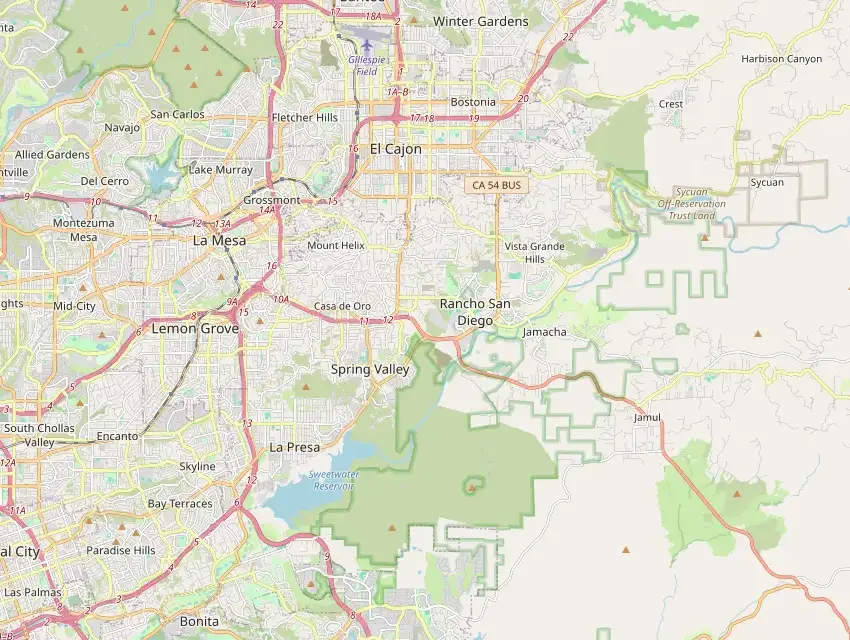
There is more than one way to deal with the waste after it has left your home. For the majority of individuals, when a toilet is flushed or a sink is drained, they don’t have to think about where it is that the waste or waste water is going. For those with a septic system, however, it is another story. Here is what homeowners in Spring Valley and nearby communities should know about leach field design and repair.
Septic systems are primarily used for homes in locations that are unable to connect to a public sewer line, which is common on larger rural lots in parts of East County such as areas around Jamul and Lakeside. These septic systems take the form of buried septic tanks into which the waste flows. A necessary part of the septic system is that of the leach field, which helps to remove the waste from the tank and carry it off into the ground.
A leach field is a section of land under which perforated pipes (which are attached to your septic system) are buried in gravel lined trenches. This allows the liquid to leach out of the pipes and into the surrounding soil, which absorbs the unwanted waste water. Of course it is not quite as simple as it sounds.
Creating an effective leach field will depend to a great extent on the size septic system that you have as well as the kind of ground you are using for your leach field. Different kinds of ground require different kinds of leach fields. Design usually starts with a soil evaluation, and in San Diego County new or replacement septic systems require a permit from the County Department of Environmental Health and Quality (DEHQ), so work with a qualified, licensed professional.
Common signs of a failing leach field include soggy or unusually green patches over the field, sewage odors outdoors, slow drains throughout the house, and backups at the lowest fixtures. Repairs may be needed when pipes break, roots intrude, or the ground shifts. Problems in the pipe running from the house to the tank are a sewer line issue a plumber can inspect and diagnose.
Whether you are planning a new septic system or dealing with problems in an existing one, start with an inspection so you know whether the issue is in the house plumbing, the tank, or the field.
Questions about slow drains or backups at a septic-served home? Call our team at (619) 304-0144 or request a plumbing service estimate.